

Rethinking Greeting Time
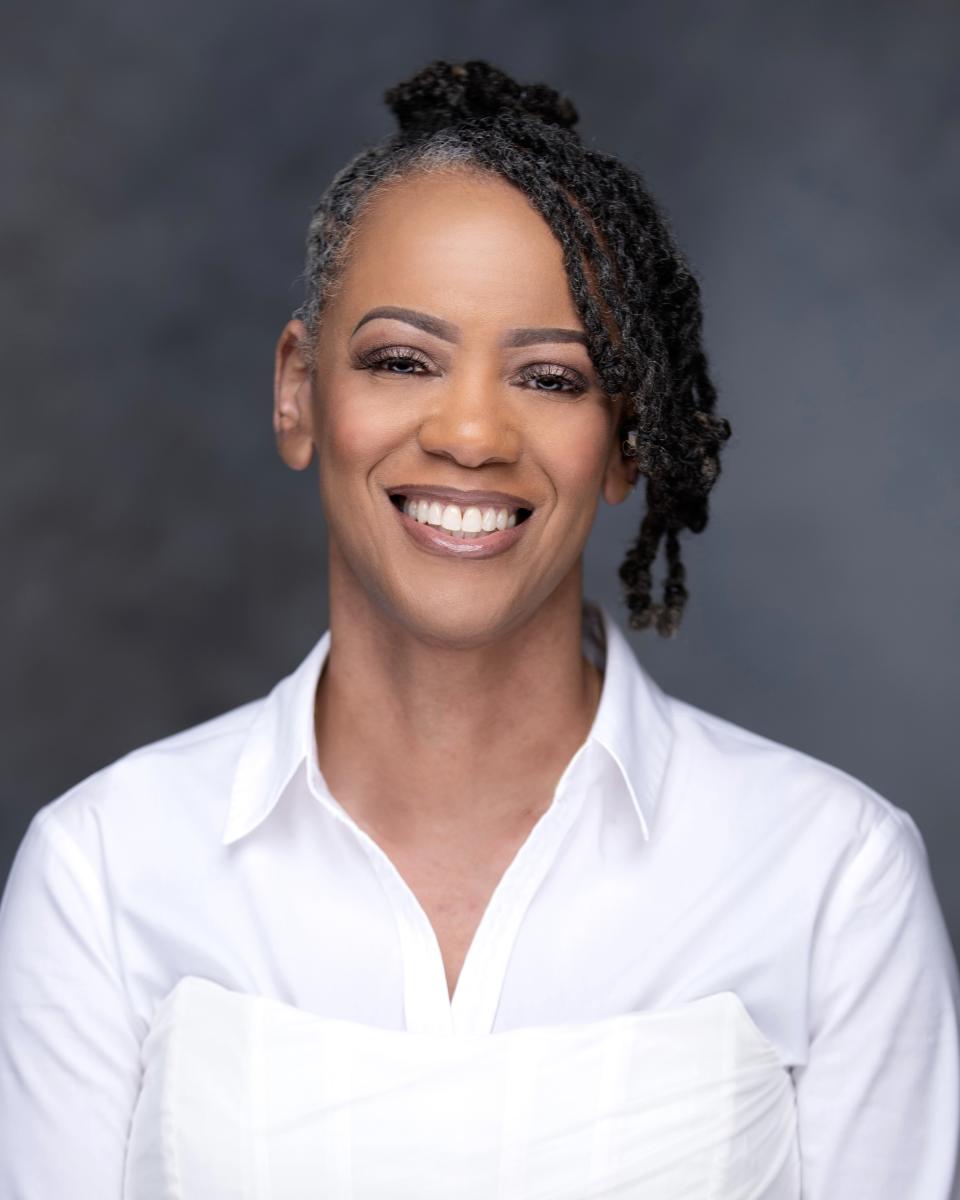 Story by Cerise Woodard
As greeting time approached during a recent Sabbath service, I braced myself. You know the moment. A well-meaning church member smiles warmly while at the pulpit and asks, “Do we have any visitors? Please stand and introduce yourself!” Then comes the invitation to “show God’s love” with enthusiastic hugs and handshakes.
I had already decided I wasn’t standing. Not because I’m unfriendly. Not because I don’t love Jesus. But because being singled out in a room full of strangers can feel more intrusive than welcoming. Add in flu season, introversion and the simple reality that not everyone is comfortable with physical touch—and what’s meant to feel warm can quickly feel like pressure.
I had fully prepared to remain seated and accept looking like the “rude” visitor who didn’t participate.
But that’s not what happened.
Instead, the pastor gently asked if there were any visitors and said, “If you’d like to stand and introduce yourself, feel free.” No spotlight. No pressure. No implied obligation. He graciously acknowledged a few guests he knew were visiting from another country, then encouraged the congregation to greet one another—with a nod to flu season—and suggested fist bumps as an option.
That was it.
And in that small shift, something in me relaxed.
My shoulders dropped. My guard lowered. I felt seen without being exposed. Included without being singled out.
As a nurse who works closely with individuals impacted by trauma, I’ve learned that environments matter more than we realize. Many people entering our churches carry invisible experiences—loss, anxiety, social discomfort, health concerns or past trauma. For some, being asked to stand publicly or engage in physical touch without clear consent triggers stress rather than connection.
Of course, greeting time is rooted in something beautiful: hospitality. Scripture calls us to welcome one another. Our churches genuinely want visitors to feel loved.
But love that is invitational rather than compulsory reflects Christ’s character even more clearly.
Whether it’s the pastor or an elder, deacon or member leading this portion of the service, the tone they set matters. The words they choose matter. Small adjustments in language can make a significant difference in whether someone feels safe and seen.
A trauma-informed approach to hospitality doesn’t remove warmth. It simply honors personal boundaries.
Simple language shifts— “If you’d like …” rather than “Please stand”—can preserve dignity. Brief acknowledgments such as, “We know it’s flu season, so greet one another in whatever way feels comfortable,” or “Feel free to wave, smile or bump fists,” communicate care. Offering options makes space for connection without pressure.
I’m grateful for leaders who are thoughtfully reconsidering how we welcome visitors. Adjusting long-standing traditions isn’t about becoming less friendly—it’s about recognizing that hospitality is most powerful when it creates a sense of safety.
Sometimes the most powerful act of hospitality is giving people permission.
Permission to remain seated.
Permission to observe before participating.
Permission to engage at their own pace.
That Sabbath, I was free to engage at my own pace. And in that freedom, I felt welcomed. That difference matters more than we may realize.
Cerise Woodward,who attends Potomac Conference’s Pennsylvania Avenue church in Capitol Heights, Md., is a registered nurse and forensic nurse with extensive experience in trauma-informed care.
Feature photo is from Getty Images
 Read Articles from the May-June 2026 Visitor:
- Ministry in the Age of AI
- Editorial: It Only Takes a 'Scott'
- 20 Tips for Learning and Using AI
- Adventist Media, Mission and Technology: A Timeline
- Columbia Union Gives Scholarships to Upcoming Pastors
- Chris Araujo Moves From Columbia Union to North American Division ITS
- José D. Espósito Voted Vice President for Evangelism and Multilingual Ministries
- Empowering Children Storytelling
- Rethinking Greeting Time
- 46 Columbia Union Pathfinder Bible Experience Teams Place First
- 43 Columbia Union Conference Teams Place First at NAD Level PBE
Add new comment