

Do We Have Our Priorities Straight?
 Story by Tompaul Wheeler and V. Michelle Bernard
I was a better pastor than I was a husband.”
Today, MyRon Edmonds serves as a life coach helping people prioritize their lives, deal with trauma and shame, and live with integrity. But when he looks back on his years as a pastor, Edmonds sees someone who looked impressive to the outside world, but who was living a double life.
The wake-up call came the day his wife told him, “We feel like you’re Superman at church, but you’re Clark Kent at home.” Knowing he couldn’t keep on living the same way, Edmonds texted about 15 friends, some surface and some deeper, asking for their support.
“I said, ‘Listen, guys, I’m really struggling personally,’” Edmonds recalls. “‘I need some Christian brothers to help me, and maybe you all need the same support.’”
About a dozen men responded to Edmonds’ message. The accountability group they began was the genesis of Edmonds’ work today, leading a men’s personal development organization, Men’s Winning Circle, that’s grown to be international.
“Just that one decision really started turning things around for me because I was no longer by myself. We began to help each other and encourage each other, and so many things came out of that,” says Edmonds.
His journey of personal growth forced him to get real with issues in his life, including pornography. “I had to deal with some deep trauma that I didn’t know was there,” he says. “I almost lost my marriage. I almost lost my relationship with my children, just because I was not present.”
 'All That Matters'
“We’re taught to bite our bottom lip and white-knuckle it and just getthrough life and never feel anything because we just don’t have time. We have jobs that demand for us to put our best face on,” says Edmonds.
Adding religion to the mix can make issues even more difficult, Edmonds says, noting that some can be very legalistic in their faith traditions. “It’s just an incredible amount of shame because you don’t want to let people down. You don’t want people to see that you actually need Jesus.”
He says many men have the mindset of solely being a financial provider but overlook other things they need to do, such as being present, helping create a safe and supportive space for their families and connecting emotionally with them.
“Generationally and sociologically, [we’ve] just been taught that as long as I’m doing well at work … that’s really all that matters,” says Edmonds. “I was just trying to help ‘finish the work,’” he reflects, noting his list of important tasks that included preaching, reaching souls that needed to be saved, pastoring a church and conducting evangelism.
How Could Ministry Be Harmful?
Achieving a healthy life balance has the potential to be even more challenging when someone is working in full-time ministry or is heavily involved in their church.
Trevor Kinlock, president of the Allegheny East Conference (AEC) who has pastored for 25 years, says there is a natural tension between church work and family life. “Yet, 1 Timothy 3:5 reminds leaders that the prerequisite for church leadership is effective home leadership.”
He adds, “Once a pastor is burned out or experiences severe damage to his or her family structure due to the demands of ministry, they are of little use to the church.”
A 2024 global survey of Seventh-day Adventist pastors revealed that 65.8 percent worked more than 40 hours a week, with 10.8 percent reported working more than 80 hours a week, leading to significant negative effects on their personal and family lives. (Find the survey here.)
This unbalance can also be found in positions held by other church workers and volunteers.
 Anna Bartlett—who once worked for the Adventist Church—says she saw a culture among the organizations she interacted with that “seemed enmeshed with the recognition that in working for the church our work is also a ministry, and in giving our all to God we are also giving our all to the ministry, our work. This, combined with the message that it was our honor to serve God by sacrificing ourselves for our jobs, turned toxic for me,” she says.
While there, she saw many employees work overtime without additional pay and not fully using their vacation time.
'Wholeness is Holy'
Sekema Rhodes, a longtime Human Resources professional who attends AEC’s Breath of Life church in Fort Washington, Md., is involved in her church’s music ministry. She is also the Washington Metro Area Women’s Ministries leader, in addition to being a wife and mom.
Rhodes says, “Many of us grew up seeing our parents and grandparents, aunties and uncles give everything to ministry, often to the point of exhaustion. But even Jesus rested. He healed, taught, served—and then withdrew to pray and recharge. We celebrate His miracles but often overlook His management of energy.”
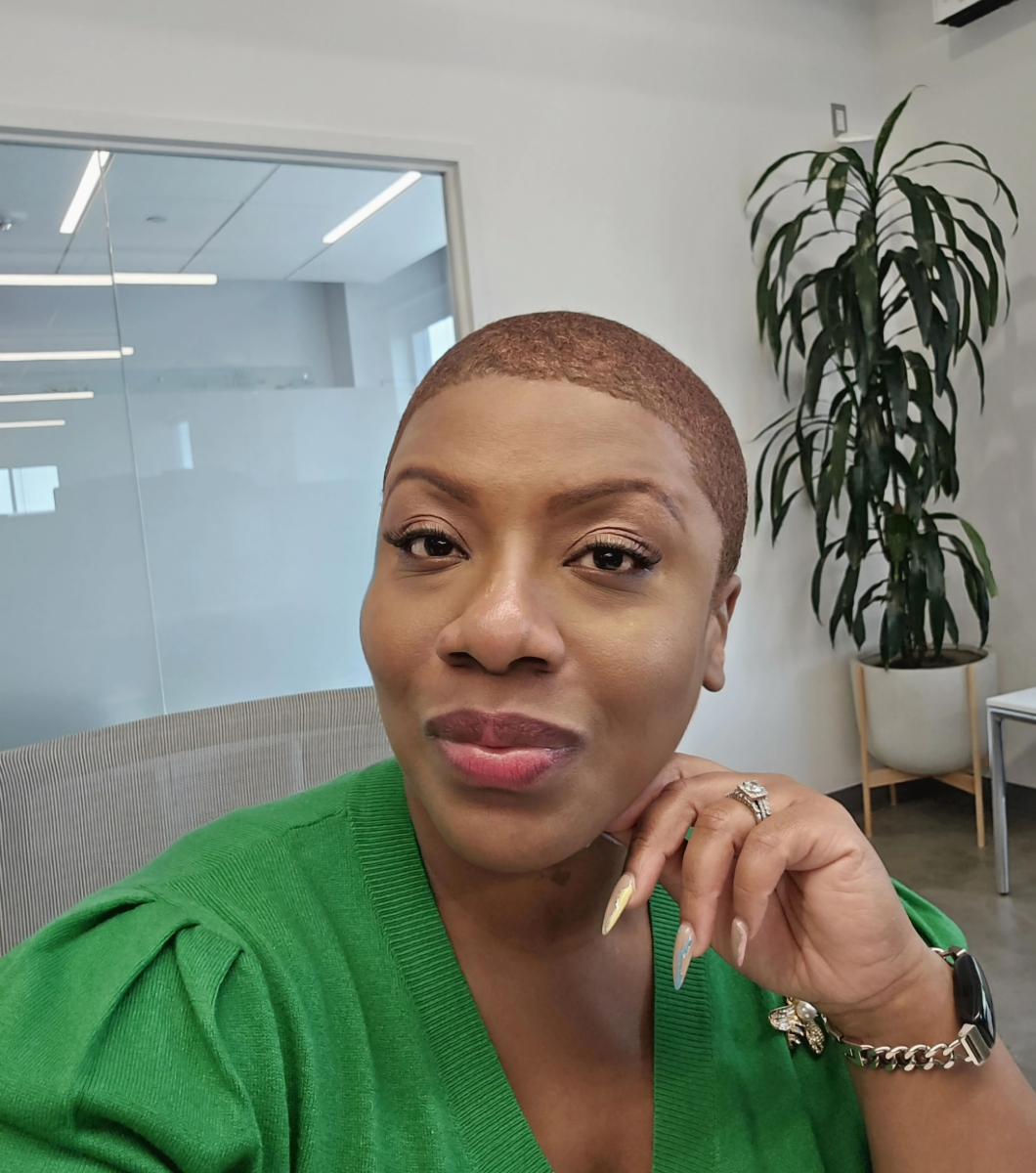 She notes, “As Seventh-day Adventists, we have the gift of the Sabbath—a divine, 24-hour invitation to rest—yet sometimes we pack it with so many meetings and obligations that we end the day more tired than when we began. That’s not rest; that’s religious overwork and is what often limits our reach and causes us to be uncheerful givers and servants of God.”
She continues, “So yes, serving God is sacred, [but] so is stewarding our own well-being. Ministry shouldn’t deplete us—it should flow from a place of being filled.”
Rhodes notes that she’s seeing a shift in younger workers toward valuing their work-life balance. “It’s one of the most defining changes of this generation,” she says. “The younger generation is reminding us that wholeness is holy, and I couldn’t agree more.”
She explains, “Younger workers are unapologetically clear about their boundaries. They don’t leave much wiggle room—and it’s not done in a rude or dismissive way, but in a confident, matter-of-fact way.
They talk openly about their lives outside of work. … And through that, they send a clear message: Work is a part of my life, but it’s not my whole life.”
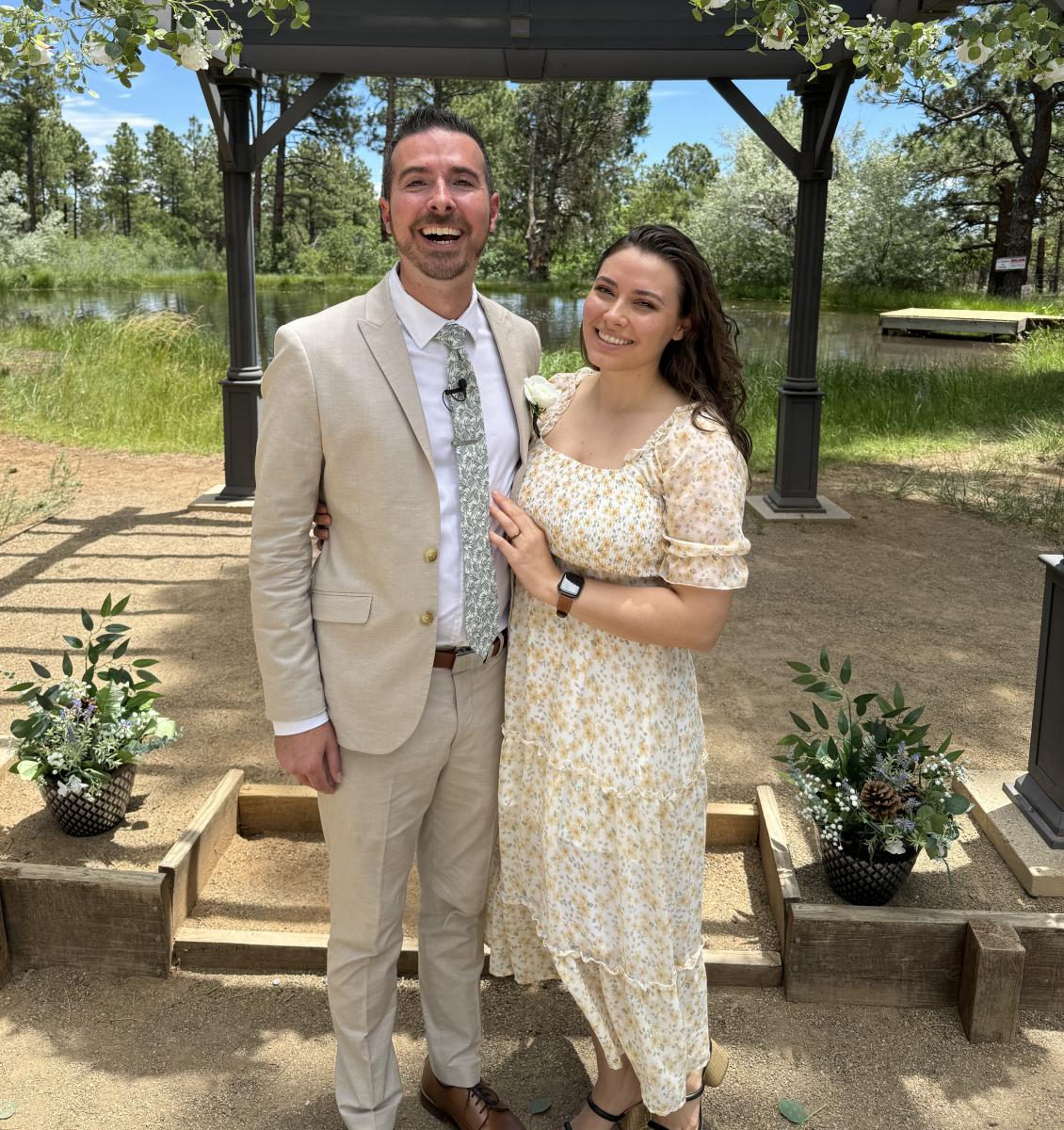
Daniel and Annelise Daum got married in June 2025 and are still early in their careers. The couple both work for General Conference Auditing Services (GCAS) in Silver Spring, Md.
Annelise muses that it might be easier for people in her generation to retain a good life balance because they don’t yet have as many responsibilities as those with more work experience or in management roles.
“However, I do see in popular culture that people my age are setting stronger boundaries at work,” she says. “My generation does not have the same level of expectation set on us and societal pressure to measure our worth by our output at work.”
She explains, “I do my best to leave work at work. Unless there are deadlines that I cannot meet without working a Friday or Sunday, I tend to leave my laptop at work”—something that might not be as common among older generations.
Annelise adds that keeping a calendar and blocking off time for her husband, friends, family and travel helps her prioritize.
Daniel, who is studying for the CPA exam, adds that they always try to eat healthy meals together when they are both home, make time for hobbies that recharge them, and are intentional about going on dates and doing things together.
He adds, “If I have one tip for setting boundaries, it is communication. People, employers especially, typically do not know what you need or what your bound- aries are unless you make it clear and tell them.”
WakeUp Call
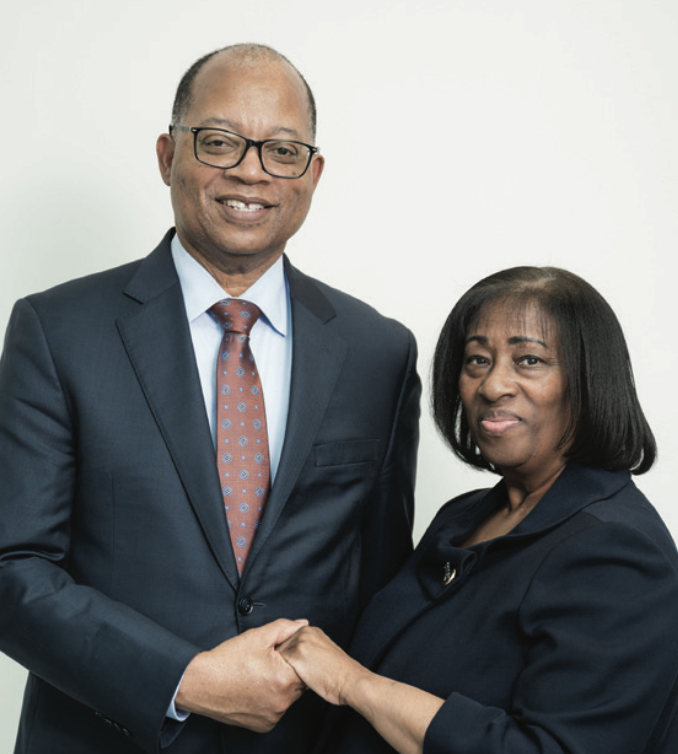 “I didn’t know I was a workaholic until somebody called me out on it,” says Marcellus T. Robinson, president of the Columbia Union Conference, who has been in ministry since 1984.
A friend and colleague asked Robinson if he ever had downtime.
After Robinson took awhile to answer, his friend said, “Well, I can answer for you. You don’t. I watch it. You work, work, work.”
Robinson recalls, “That helped change my life and helped me to recognize that my life was out of order, and not only out of order with God, but out of order with my wife, Maryann, and my children,” noting that he would sometimes skip family events because of ministry events. “That’s not good, and that is not what God expects of me as a father to my children. He doesn’t want me to neglect my children for ‘the work.’ My primary work is raising my children in the fear of God, and you can’t do that without spending time with them.”
People can sometimes think that their work is their identity, Robinson says. “It shouldn’t be that way. It is what I do. It’s not who I am.”
Who we are is “saved by grace,” he says. “We should enjoy the crazy gift of grace He’s given us. And if we’re not enjoying it, be honest with Him,” says Robinson, urging others to ask God for help.
A Priority Shift
Bartlett’s experience of being overworked and unrested didn’t align with her understanding of what God intended for her, expressed in verses like, “For I know the plans I have for you … plans to prosper you and not to harm you” (Jer. 29:11, NIV) and “I have come that they may have life, and that they may have it more abundantly” (John 10:10, NKJV).
“For me, having a healthier work-life balance started with physical separation, by stopping and leaving work at the end of my shift and not staying over just to get things done. And by setting timers to take breaks to move my body and rest my eyes midway through the morning and afternoon of each work day. It also included mental separation by actively choosing not to continue thinking and talking about work when not on the clock.
These decisions helped me have time outside of work to take care of myself and live a life that was not entirely consumed by my job,” says Bartlett.
Robinson sees the issue as one of stewardship. Though busy with myriad work tasks and travel he prioritizes time with God first, then family, then work, which helps him balance his many responsibilities. He also now makes sure to schedule downtime and take all of his vacation days. “You are a human being, right?” he reflects. “And, so, you need to spend time [with God] to make sure you are cared for, and then, when you spend time with others, you can be free to minister to them because you’re in a good place with God and yourself.”
He also encourages others to intentionally spend time in nature “because nature is God’s blessing book, and He can speak to you in nature, and He can calm your soul without you even realizing.”
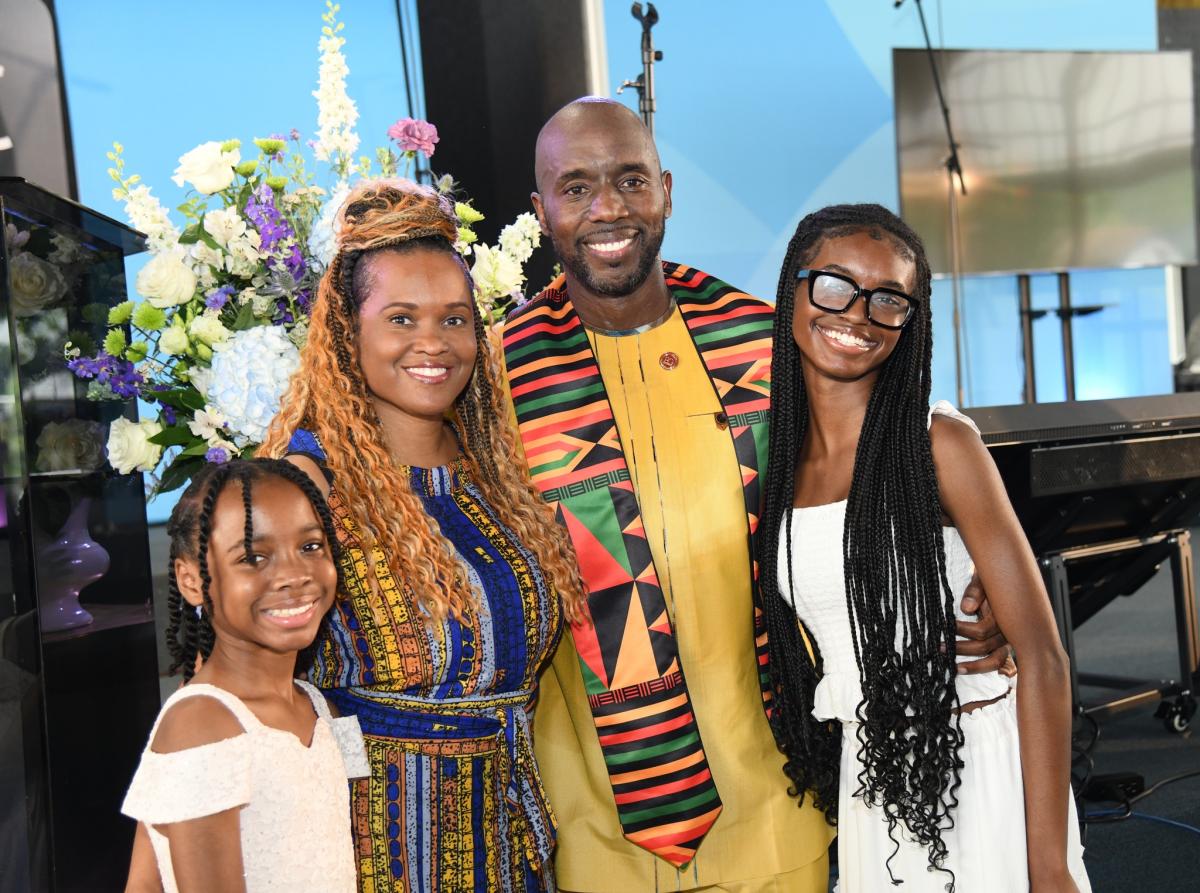 Kinlock says, “As a leader, I noticed that I was able to schedule time for people, visitations, meetings, church services, events and so much more. If I’m able to schedule these, then I’m also able to schedule time with my family—if I’m intentional. Making family my intention and priority means that Carleen, [my wife], and I purposely schedule our time with our daughters, [Cayla and Ava], and time for each other.”
Kinlock adds, “We in the church need to make space for pastors to care for themselves and their families. We should lovingly hold them accountable and help them achieve this balance by encouraging them to go on vacations and getaways.”
 'The First Ministry'
Dee Casper moved to Pennsylvania seven years ago to establish and run CORE Evangelism, Pennsylvania Conference’s School of Evangelism. During this very busy season, he created the curriculum, taught 100 hours of classwork and traveled about 15 times a year to recruit students and preach.
Casper and his wife, Sarah, missed being an active part of a local congregation and knew they would need more time for their family. In July 2024, Casper shifted to pastoring Pennsylvania Conference’s Pottstown and New Tripoli churches, while still overseeing CORE and its added staff. This change gave him more flexibility to care for his family that now includes an infant daughter.
“The first ministry I’ve been given is my wife, and then my daughter, and then the church. … Whatever’s left is fair game for anybody else,” he says.
Casper adds, “It’s impossible to always live a work-life balance, but you can prioritize seasons and scheduling in a way that can make things work.” Prioritizing can mean a change in outlook. “I think that we have assumed that God is asking things of us that He’s not asking, and in turn, we’re carrying burdens that God has never given us. So, God is not asking me to destroy myself to advance His kingdom. He wants me to have an abundant life in the here and now, not just in the hereafter.”
Echoing Robinson’s thoughts on identity, Casper adds, “It’s easier for you to see [work] for what it is. It’s work. Now, it’s work for the Lord, and it’s a sacred work, but at the end of the day, it’s a job and a calling. … God’s not asking me to work every waking minute of the day for other people at the expense of my family.”
Casper also notes the importance of training and delegating to others in ministry. “If you haven’t taught [church or team members] how to find solutions to the problems that don’t involve you, then maybe you’re leading a co-dependent ministry,” he says. “God is in the business of using others—[not just you]—to help. I think we have to learn to kind of relinquish our throne and just be stewards who are willing to be used as God sees fit.”
'Everything Has Changed'
Edmonds reports that after he made the decision to put his priorities in order—God, marriage, family and purpose—everything has changed.
“My marriage is the healthiest and strongest it’s ever been. We’re not just surviving—we’re thriving, growing and intentionally building a life together that reflects the grace we’ve received,” he says.
He shares his relationship with his children has also deepened. “We’re incredibly close, even with them now in college. We make space for real conversations, vulnerability and shared wisdom. We do spontaneous and scheduled family worships when together and we prioritize time for both big vacations and small moments.”
He adds, “We’ve built systems that help us keep our family first—clear rhythms, boundaries and shared values. I’ve also sought therapy, accountability and support to continue growing as a man, husband and father.”
“I stopped chasing success and I started chasing wholeness and healing,” Edmonds says. “And I believe that when you focus in that direction, success and joy and happiness becomes a byproduct of those things.”
 Read More from the January-February 2026 Visitor:
- Editorial: Step Into Whole Person Living
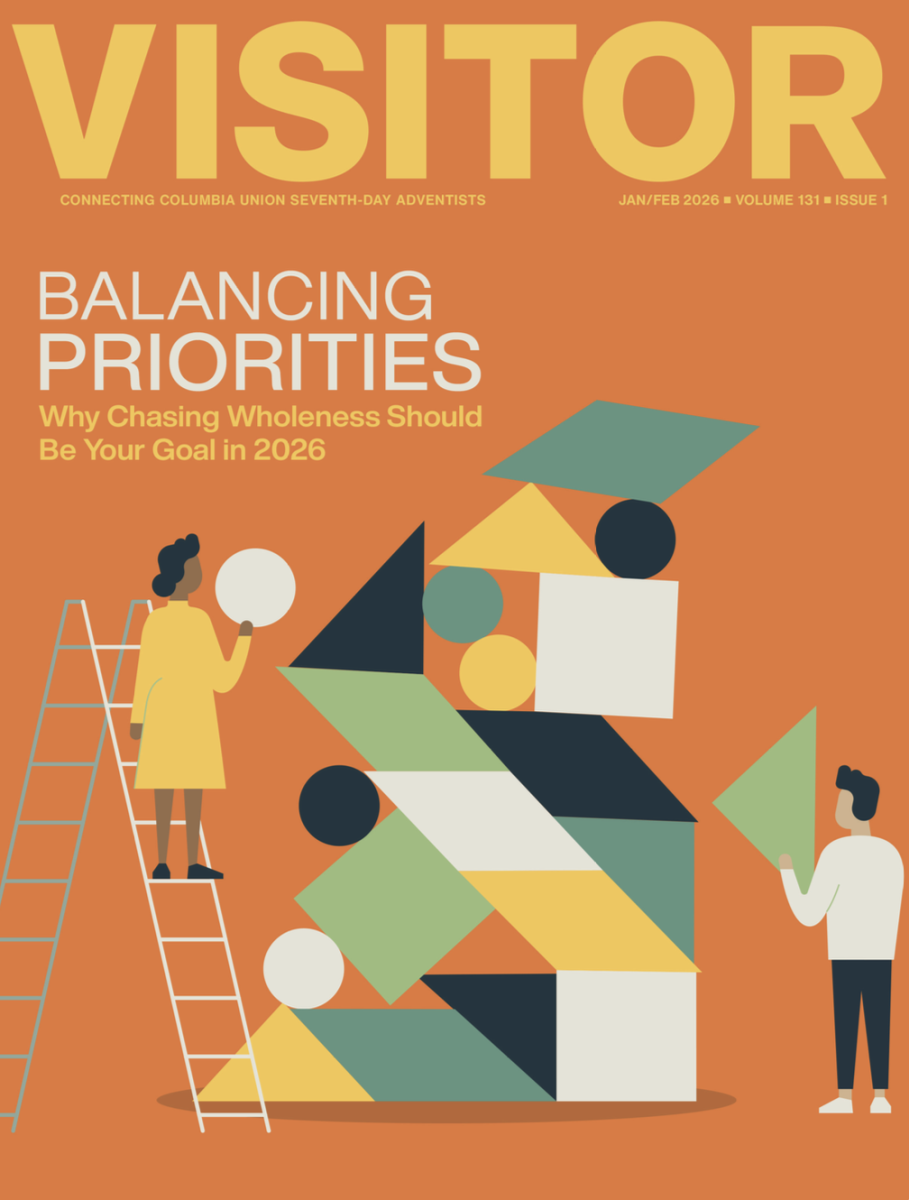
- Feature: Do We Have Our Priorities Straight?
- Pray With Us in 2026
- Want an Extra 2026 Calendar?
- Share Your Table in 2026
- What Did a Global Survey Find About Adventist Pastors?
- Why Does Vulnerability Matter?
- Read Articles in Spanish
- Read more "Web" Exclusive" Articles From This Issue
Add new comment